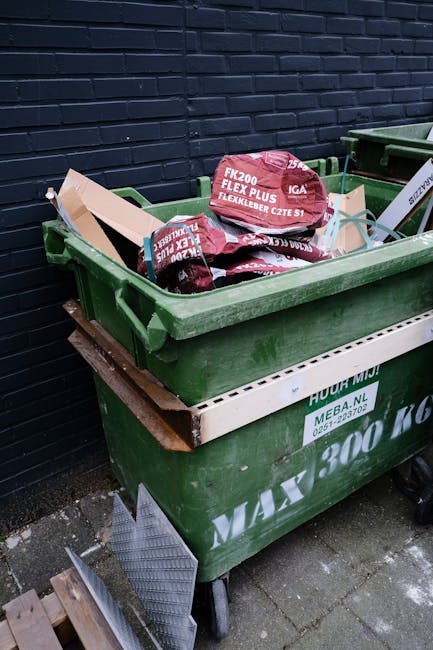
Peterborough Road Bulky Rubbish Collection Guide Parsons Green SW6
If you live, work, or manage a property near Peterborough Road, bulky rubbish can become one of those jobs that quietly grows teeth. A broken wardrobe in the hallway, a sagging sofa at the end of a tenancy, a pile of flat-pack offcuts after a quick refurb - it all feels manageable until it isn't. This Peterborough Road bulky rubbish collection guide Parsons Green SW6 walks you through the practical side of getting large waste removed without stress, confusion, or a last-minute scramble on the pavement.
Whether you are clearing a flat, refreshing an office, or just trying to reclaim the spare room, the goal is simple: remove heavy items safely, legally, and efficiently. That sounds straightforward. In real life, it usually isn't. Access can be tight, lifts can be awkward, and one bulky item has a habit of turning into five. Let's make it easier.
Table of Contents
- Why it matters in Peterborough Road, Parsons Green SW6
- How bulky rubbish collection works
- Key benefits and practical advantages
- Who needs this service and when it makes sense
- Step-by-step guidance
- Expert tips for better results
- Common mistakes to avoid
- Tools, resources and recommendations
- Law, compliance and best practice
- Options, methods and comparison table
- Real-world example
- Practical checklist
- Conclusion
- Frequently asked questions
Why Peterborough Road bulky rubbish collection guide Parsons Green SW6 Matters
Bulky waste is different from everyday rubbish. It is heavier, more awkward, and more likely to cause problems if it is left in shared areas, on a narrow pavement, or in a building entrance where people need to get through. In a place like Parsons Green, where homes, flats, and mixed-use premises often sit close together, tidy and timely removal matters more than people first expect.
There is also the simple reality of space. A large sofa, mattress, fridge, or broken cabinet can quickly dominate a flat or hallway. If you are between tenancies, preparing a property for sale, or clearing after renovation work, bulky rubbish tends to become a blocker. Not dramatic. Just annoying in that stubborn, everyday way. And the longer it sits there, the more it gets in the way of cleaning, decorating, and moving.
For local residents and businesses, a sensible bulky rubbish collection service is not just about "getting rid of stuff". It is about keeping access clear, reducing trip hazards, avoiding damage to stairwells and door frames, and making sure waste is handled properly. For landlords and managing agents, that can also protect the building's appearance and reduce complaints from neighbours.
Expert summary: If the item is large, heavy, awkward to carry, or likely to need two people and a clear route out, plan bulky rubbish collection early rather than waiting until the last minute. It saves time, stress, and the odd bruised knuckle.
And yes, sometimes the "one item" story becomes a full clearance job. We see it all the time. A spare bed frame becomes a mattress, then a broken chest of drawers, then the old desk from the corner, then a couple of bags of oddments people forgot were there. Funny how that happens.
How Peterborough Road bulky rubbish collection guide Parsons Green SW6 Works
In practical terms, bulky rubbish collection usually means a team comes to collect larger items that do not fit into normal household bins. The collection may be pre-booked, arranged for a specific arrival window, and carried out from inside the property, the front of the building, or a designated loading point depending on access and the type of service you choose.
The process is usually easier when you prepare the items first. That might mean separating reusable things from waste, removing drawers, taping doors shut where needed, and making sure the collection route is clear. If the property has a tight staircase, controlled access, parking restrictions, or a shared entrance, these details matter more than people think.
If you need support with mixed waste rather than just one bulky item, a broader waste removal approach can be more efficient than trying to manage several separate collections. For larger household clear-outs, home clearance or house clearance may be a better fit. If the work is centred on one room or one type of item, a more specific service can be the cleaner option.
Timing matters too. A morning slot can work well if you want the rest of the day for cleaning or staging. Later collections can be useful when access is easier after school runs or office hours. There is no one perfect pattern, but there is a right pattern for your building and your schedule.
What typically counts as bulky rubbish?
- Sofas, armchairs, and bulky soft furnishings
- Mattresses and bed bases
- Wardrobes, shelving, cabinets, and desks
- White goods and large appliances
- Garden furniture and outdoor equipment
- DIY offcuts and broken fixtures
- Mixed household clutter that has become too large to handle easily
If you are unsure whether an item counts as bulky waste, use a simple test: if it is difficult to carry out safely without help, it probably belongs in a bulky collection conversation rather than an ordinary bin plan.
Key Benefits and Practical Advantages
The main benefit is obvious: space comes back. But the better gains are usually the quieter ones. Less clutter means easier cleaning, safer movement through the property, and a calmer feel the moment the last item goes. You will notice the room sounds different too - less echo, less visual noise. Strange but true.
There are also practical advantages for local homes and businesses near Peterborough Road. A well-organised bulky rubbish collection can reduce disruption to neighbours, help you avoid repeated lifting, and keep shared hallways clear. For landlords and agents, it can speed up re-letting and make the handover look more professional. For offices, it helps maintain a tidy workplace and keeps unwanted items from hanging around "just for now" for three weeks.
Another benefit is better waste handling. Reputable services aim to sort items for reuse, recycling, or responsible disposal where possible. If sustainability matters to you, it is worth checking a provider's approach to recycling and the handling of mixed materials. A useful place to start is the site's recycling and sustainability information, especially if your clearance includes furniture, appliances, or mixed household waste.
Finally, good bulky collection saves time. Not just the collection slot itself, but all the faffing around before and after. Let's face it, nobody wants to spend a Saturday in a queue at the tip with a sofa wedged into the back of a car. If you can avoid that, most people do.
Who This Is For and When It Makes Sense
This guide is useful for anyone in Parsons Green SW6 who is dealing with large items they cannot leave out with regular rubbish. That includes flat owners, renters, landlords, letting agents, shop managers, office teams, and people handling inherited property or a move-out.
It makes sense when:
- you have one or more large items to remove
- the waste is too bulky for normal collection arrangements
- you need to clear a property quickly
- access is awkward and you want trained collectors to handle it
- you are combining furniture, appliances, and general junk
- you want to minimise trips, lifting, and disruption
Some common real-world scenarios are very ordinary. A tenant leaves behind a bed and mattress. A home office gets replaced, but the old desk is too heavy to shift on your own. A garden chair set has rusted into something resembling modern sculpture. Nothing glamorous. Just life.
In some cases, a specialist service is a better match than a general bulky collection. If the main issue is furniture, look at furniture clearance or furniture disposal. If you are dealing with a mattress or sofa, the dedicated mattress and sofa disposal page may be more relevant. For white goods, see fridge and appliance removal.
Step-by-Step Guidance
If you want the smoothest possible bulky rubbish collection, do it in stages. A bit of prep makes a surprisingly large difference.
- List the items clearly. Walk through the property and write down everything that needs removing. Be specific: "3-seat sofa", "double mattress", "wooden desk", not just "stuff".
- Check access. Measure doorways if needed, note stairs, lift size, parking limitations, and any security entry codes or concierge rules.
- Separate anything that needs special handling. Batteries, chemicals, paints, fridges, and some electricals can require separate treatment. If you have anything risky, start with hazardous waste disposal.
- Decide what can be reused or recycled. Items in good condition may be diverted differently from broken waste. This helps keep the collection efficient and more environmentally sensible.
- Choose the right service type. A single item collection is not the same as a full flat clearance or builders' waste job. Matching the job to the service saves hassle.
- Get a quote that reflects the actual load. Volume, weight, labour, access, and item type all matter. If you want clarity before booking, have a look at pricing and quotes.
- Prepare the route out. Move pets, clear rugs, unlock gates, and protect delicate corners if you can. A few minutes here prevents little disasters.
- Confirm the plan on the day. Keep your phone nearby, answer access questions quickly, and point out anything unusual when the team arrives.
That last bit sounds obvious. Still, the best jobs are usually the ones where nobody has to guess what is behind the storage cupboard.
Expert Tips for Better Results
First tip: do not underestimate access. A bulky item that is easy at ground level can become awkward in a narrow stairwell or through a tight communal corridor. If you suspect that might be an issue, mention it early. It is far better to be upfront than to improvise on the landing.
Second tip: bundle similar waste together where sensible. For example, keep furniture, soft furnishings, and appliance waste separate in your own notes. That helps the collection team understand the likely load and prevents confusion on arrival. It sounds small. It is not small.
Third tip: if you are clearing a larger property, combine services in a sensible order. Furniture out first, then any boxy clutter, then final sweep-up items. If you have loft contents, loft clearance can be helpful because lofts tend to hide more items than anyone expects. One box becomes five, then a lamp, then Christmas decorations from 2009. The loft is always optimistic.
Fourth tip: be honest about the condition of the waste. A broken wardrobe with sharp edges needs more careful handling than a light plastic chair. A fridge or freezer needs different consideration again. Clear, honest description leads to fewer surprises and smoother collection.
Fifth tip: think about sustainability, but keep it practical. Reuse where possible, recycle what can be recycled, and avoid mixing dangerous items with general waste. If you are also working through a larger property clean-out, garage clearance and garden clearance can tackle the parts of the job people often leave until the end.
Common Mistakes to Avoid
One common mistake is waiting until the waste is piled up in a way that blocks the route out. It feels efficient at first. Then everyone has to step over it, and somehow it becomes harder to move. Better to stage items in a safe, reachable area if possible.
Another mistake is treating all bulky waste as if it is the same. A sofa, a mattress, a broken desk, and a fridge are all "big" but they are not identical in how they should be handled. Items with electrical parts, refrigerants, glass, or sharp metal edges need extra care.
People also forget to plan for parking or loading access. On a busy street, a collection can become much slower if the vehicle cannot stop close enough. If you know access is limited, mention it early and keep expectations realistic. That's the bit that saves everyone time.
Here are a few more errors that can create avoidable friction:
- not checking whether any item needs special disposal
- leaving keys, intercom details, or entry instructions until the last moment
- underestimating how much is actually going
- mixing useful items, donations, and waste together
- forgetting to protect floors or walls in tight spaces
There is also the classic "we only need one item removed" mistake. By the time the team arrives, there are three more things that suddenly seem obvious. If that is likely, say so upfront. Nobody minds a bit of honesty.
Tools, Resources and Recommendations
You do not need fancy kit, but a few simple tools make the process smoother. A tape measure helps if access looks tight. A torch is handy for lofts, garages, and under-stairs areas. Heavy-duty gloves can be useful if you are moving things to a collection point yourself, though care still comes first.
A checklist or phone notes app is often enough to keep track of what is going. For larger clearances, photos can help you remember where items are and identify anything that might need separate handling. If paperwork or data-bearing items are involved, confidential shredding is worth considering for documents that should not go straight into general waste.
If the job involves an office or workspace, look at office clearance alongside your bulky collection plan. Office waste can include desks, chairs, filing cabinets, and box files all at once. It is not hard to underestimate how much weight sits inside one "simple" office tidy-up.
For people who like to understand service boundaries before booking, the site's what can go in a skip guide can be useful even if you are not hiring a skip. It helps clarify which materials usually need extra care or separate treatment.
Law, Compliance, Standards, or Best Practice
When bulky rubbish is removed in the UK, the key principle is simple: waste should be handled responsibly by a lawful operator and not fly-tipped or dumped where it can create problems. If a collection involves business waste, there are extra expectations around duty of care, record keeping, and proper transfer. For households, best practice still matters - it is your waste until it is passed to the right party.
That means you should be cautious about anyone offering suspiciously cheap collection without clear details. If the person collecting cannot explain what happens to the waste, that is a warning sign. Not always a hard stop, but definitely a pause-and-think moment.
Good practice also means identifying hazardous items correctly. Paints, solvents, batteries, pressurised containers, and certain electrical items may not belong in a standard mixed bulky load. Likewise, fridges and some appliances require proper handling because of internal components. For anything sensitive, the safest route is to ask before collection rather than after. The page on health and safety policy and insurance and safety can give you a clearer picture of how a responsible operator approaches this kind of work.
If you are dealing with business premises, the service model can be different again. Business waste removal usually needs a little more planning because of access, storage areas, and compliance expectations. That is normal. It just means the job has to be scoped properly.
Options, Methods, or Comparison Table
There are a few realistic ways to handle bulky rubbish in Parsons Green SW6. The right choice depends on how much you have, what it is, and how quickly you need it gone.
| Method | Best for | Pros | Things to watch |
|---|---|---|---|
| Single bulky item collection | One or two large items | Simple, quick, low disruption | Not ideal if the load keeps growing |
| Furniture-specific clearance | Sofas, tables, wardrobes, bed frames | Good for mixed furniture jobs | May not suit non-furniture waste |
| Full room or property clearance | Flats, houses, lofts, garages | Best for bigger clear-outs | Needs more planning and access detail |
| Builders' waste collection | DIY debris, offcuts, renovation waste | Efficient for post-work clean-up | Some materials may need separate handling |
| Skip-based disposal | Longer projects with ongoing waste | Useful if waste builds over several days | Space, permits, and what can go in a skip all matter |
If your pile is modest, a targeted collection is usually easier. If the project has ballooned a little - and honestly, it often does - a broader service may work better. For renovation leftovers, builders waste clearance is often the more sensible route. For a moving day or end-of-tenancy clear-out, flat clearance is often the best fit.
Case Study or Real-World Example
A fairly typical local scenario goes like this. A resident near Peterborough Road is preparing to hand back a rented flat. There is a bed frame in the bedroom, a mattress leaning in the hall, a desk that survived one move too many, and a couple of broken storage boxes in the utility space. Nothing dramatic, but enough to slow everything else down.
Instead of trying to dismantle each item without a plan, the resident lists the items, checks access, and groups the furniture together. The mattress is noted separately, because it needs different handling from the desk and shelves. A quick look at the route out shows a narrow corridor and one awkward turn by the front door, so the resident clears the path before collection day.
On the day, the removal is straightforward because the important bits were handled before anyone arrived: the access details were accurate, the load was described properly, and nothing hazardous was hidden in the mix. The flat is cleared, cleaned, and ready for the next step. A very ordinary success, really - but that is kind of the point. Good bulky rubbish collection is meant to feel uneventful.
If the same flat had also contained leftover paperwork, the resident could have added confidential shredding into the plan and avoided a second trip. Small decisions, big convenience.
Practical Checklist
Use this quick checklist before your Peterborough Road bulky rubbish collection:
- List every bulky item clearly
- Separate furniture, appliances, and general waste
- Identify anything hazardous or unusually heavy
- Check door widths, stairs, lift access, and parking limitations
- Move pets, people, and loose obstacles out of the route
- Protect floors or corners if the route is tight
- Keep entry instructions and contact details handy
- Ask about recycling, reuse, and disposal handling
- Confirm timing and collection expectations before the day
- Do a final sweep so nothing important is left behind
For a bigger clear-out, you may also want to think through related items in the loft, garage, or garden, because those are the places clutter tends to multiply quietly. Not overnight, but not far off it.
Conclusion
Peterborough Road bulky rubbish collection in Parsons Green SW6 works best when it is planned with a bit of realism. Know what you are removing, understand access, separate any special items, and choose the right service for the size and type of waste. That is the whole game, really.
When you do that, bulky waste stops being a headache and becomes just another task checked off the list. The space feels lighter, the property feels more orderly, and the next stage - whether that is moving, refurbishing, or simply enjoying a tidier home - gets much easier. And that small sigh of relief when the last heavy item disappears? Very satisfying.
Get a free quote today and see how much you can save.
If you want a clearer idea of the service before you book, you can also review the company information in the about us section and use the book online page when you are ready to take the next step.
Frequently Asked Questions
What counts as bulky rubbish in Parsons Green SW6?
Bulky rubbish usually means large items that do not fit in normal household bins, such as sofas, mattresses, wardrobes, desks, and large appliances. If it takes two people to move comfortably, it is probably bulky enough to need a dedicated collection.
Can I mix furniture and general rubbish in one collection?
Often yes, as long as the items are described clearly and nothing needs separate handling. Mixed loads are common, but it helps to sort the waste by type so the collection can be handled efficiently.
Do I need to dismantle furniture before collection?
Not always. Some items can be taken as they are, but dismantling can help if access is tight or if the item is too large to move safely in one piece. If you do dismantle anything, keep screws and fixings together in a bag.
What should I do with a fridge or freezer?
Fridges and freezers are not the same as ordinary bulky waste. They need specific handling because of the internal components involved. Use a service that offers proper appliance removal rather than guessing.
Can bulky rubbish be collected from a flat with stairs?
Yes, but the access details matter. Narrow stairs, tight turns, and shared entrances can change how the collection is planned. It is always better to mention difficult access before the collection day.
Is bulky rubbish collection better than hiring a skip?
It depends on the job. Collection is often better for one-off items or smaller clear-outs, while a skip may suit longer projects with ongoing waste. If you are unsure, compare the likely volume, access, and how quickly you want the waste gone.
How do I prepare for a bulky rubbish collection?
List the items, clear the route, separate hazardous waste, and make sure access instructions are ready. If possible, keep the waste in one reachable area so the team can load it quickly.
What if I have hazardous items mixed in?
Tell the provider before booking. Hazardous waste should not be mixed into a standard bulky collection without checking first. Items like chemicals, paints, batteries, and pressurised containers may need separate treatment.
Can landlords use bulky rubbish collection for end-of-tenancy clear-outs?
Yes, and it is often the neatest way to deal with leftover furniture or abandoned items. For larger jobs, a fuller clearance service can be even more efficient because it handles several items in one visit.
How long does a bulky rubbish collection usually take?
That depends on volume, access, and the type of waste. A single item can be very quick, while a fuller flat or house clearance takes longer. The biggest variable is usually access, not the items themselves.
Will my bulky waste be recycled?
Where possible, responsible operators aim to sort reusable and recyclable materials from general waste. Not every item can be recycled, but good waste handling should always try to reduce what goes to landfill unnecessarily.
How do I know if the service is suitable for my property?
If you have one or more large items, limited time, awkward access, or a mixed load, a bulky rubbish collection is often suitable. If the property contains lots of furniture, household contents, or renovation debris, a more specific clearance service may be better.
Before you go, if you are still comparing options, it can help to look at the company's pricing and quotes page and the recycling and sustainability information so you know what to expect. A little clarity goes a long way.